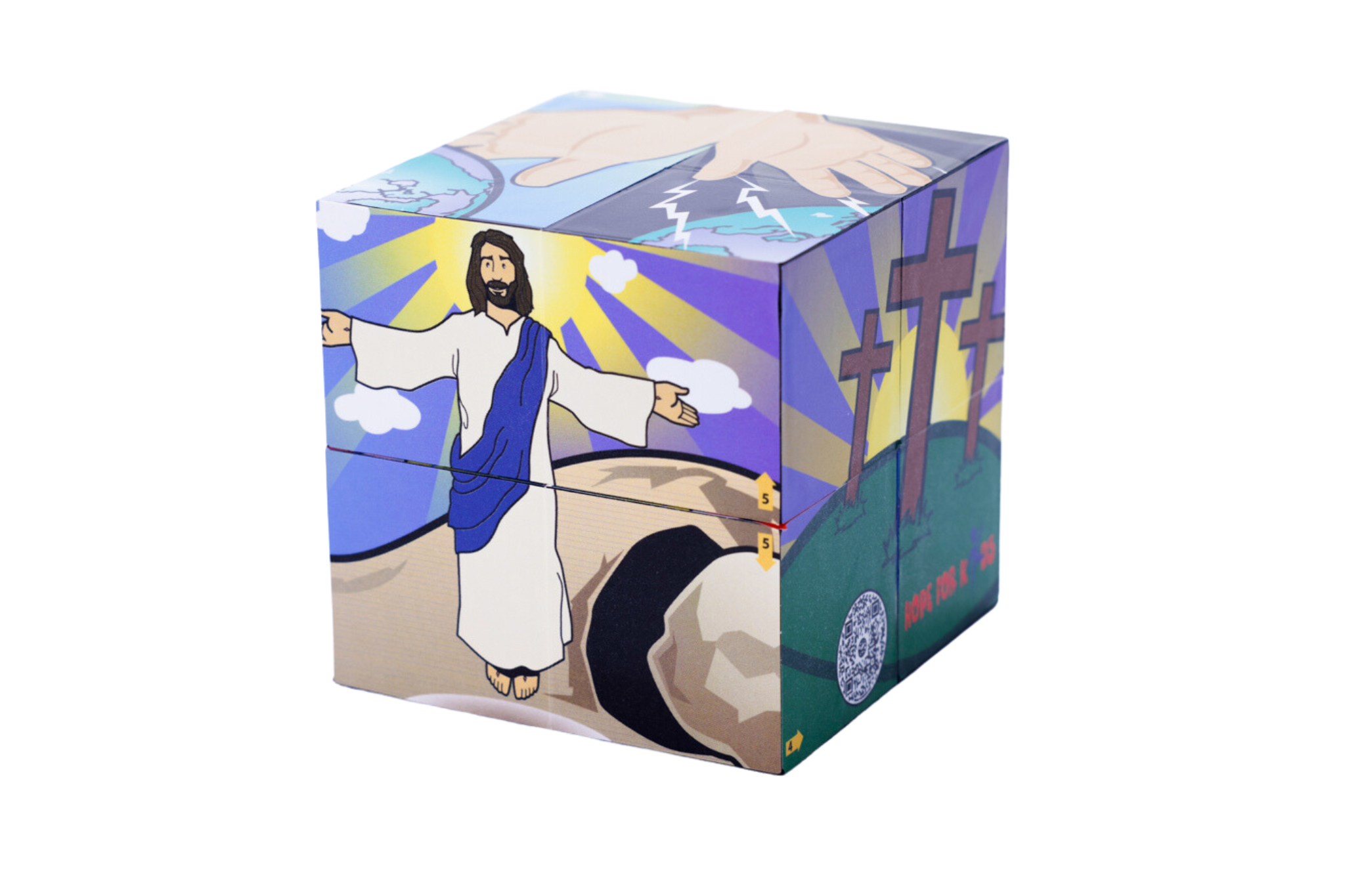
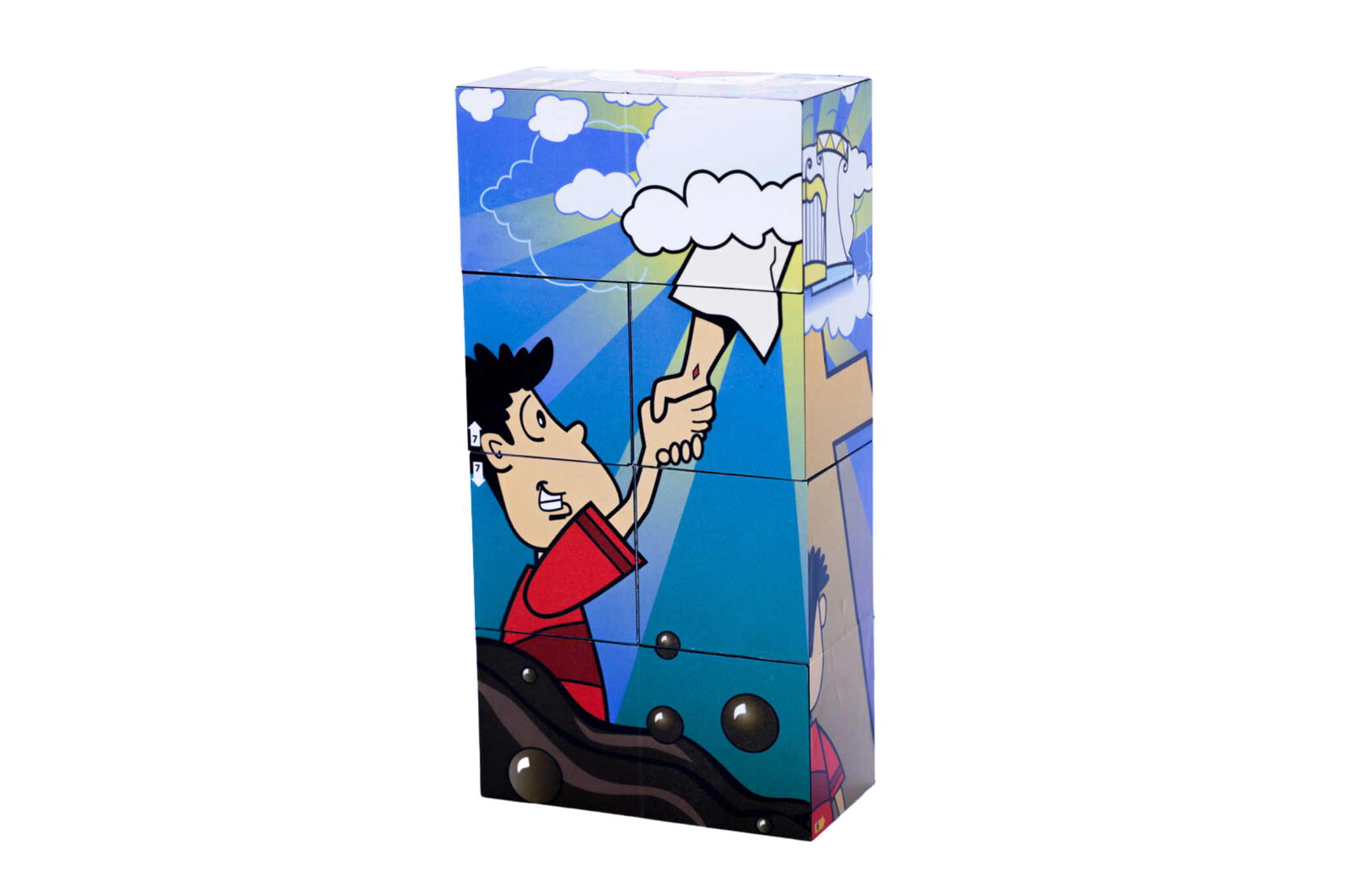
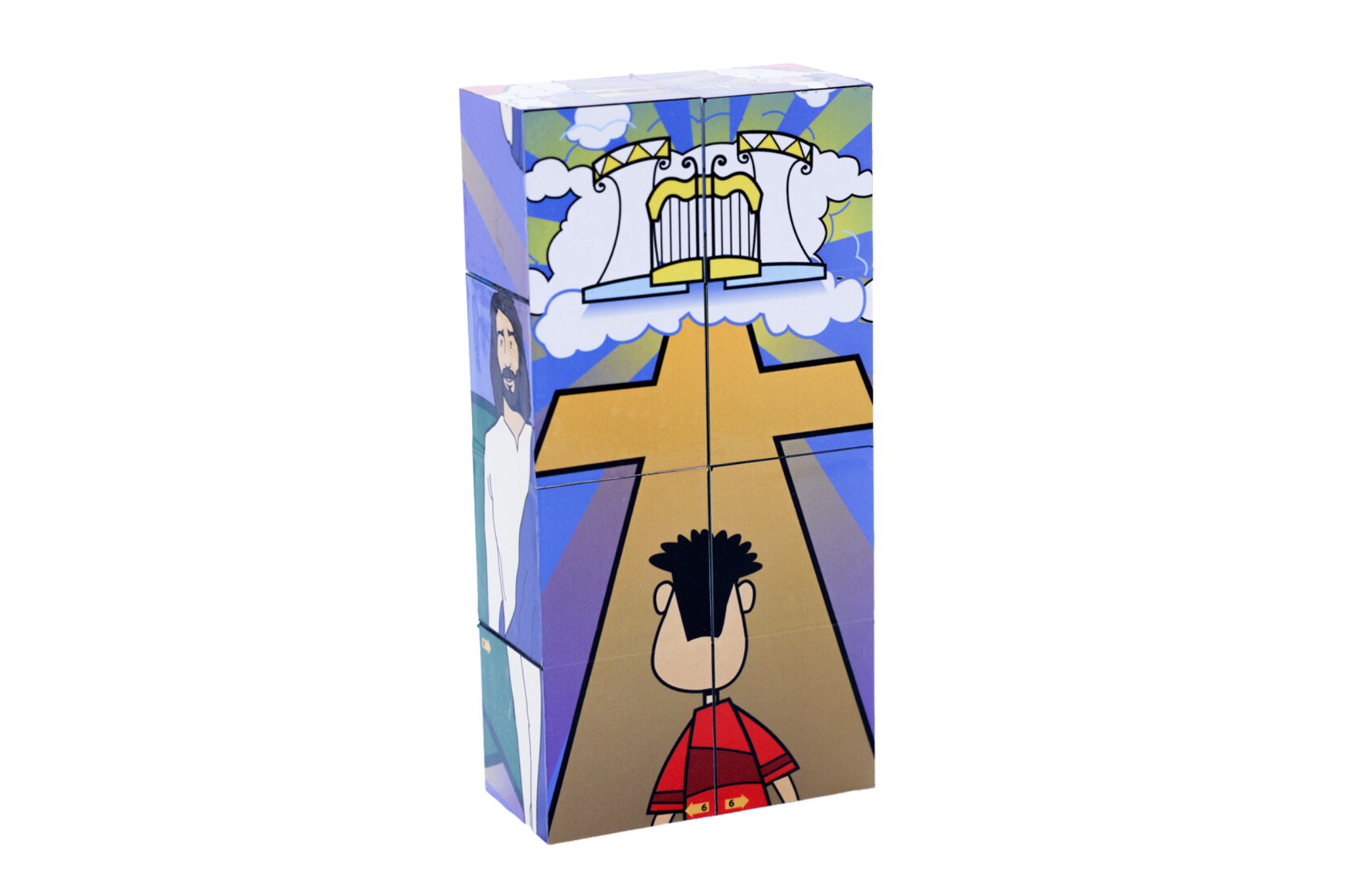
The key components of Kids' EE include the content,
the curriculum, and the basic elements of training.
View
a sample unit from the Kids' EE Leader's Kit.
Kids'
EE is a fourteen unit curriculum. Units can be taught in one
or two lessons, depending on time allotted. Each unit includes:
The
Fourteen Units include:
Like
Adult and Youth EE, Kids' EE teaches a clear presentation of
the Gospel. Like these ministries, Kids' EE also provides opportunities
to practice sharing the Gospel in what are called "On-the-Job
Training" sessions. Other elements of the Kids' EE training
include interactive instruction in large groups, building relationships
with a team leader and members of a team, and praying together
in teams and with prayer partners. Unlike Adult and Youth EE,
Kids' EE does not require homework nor does it use a lecture
format for instruction.
The
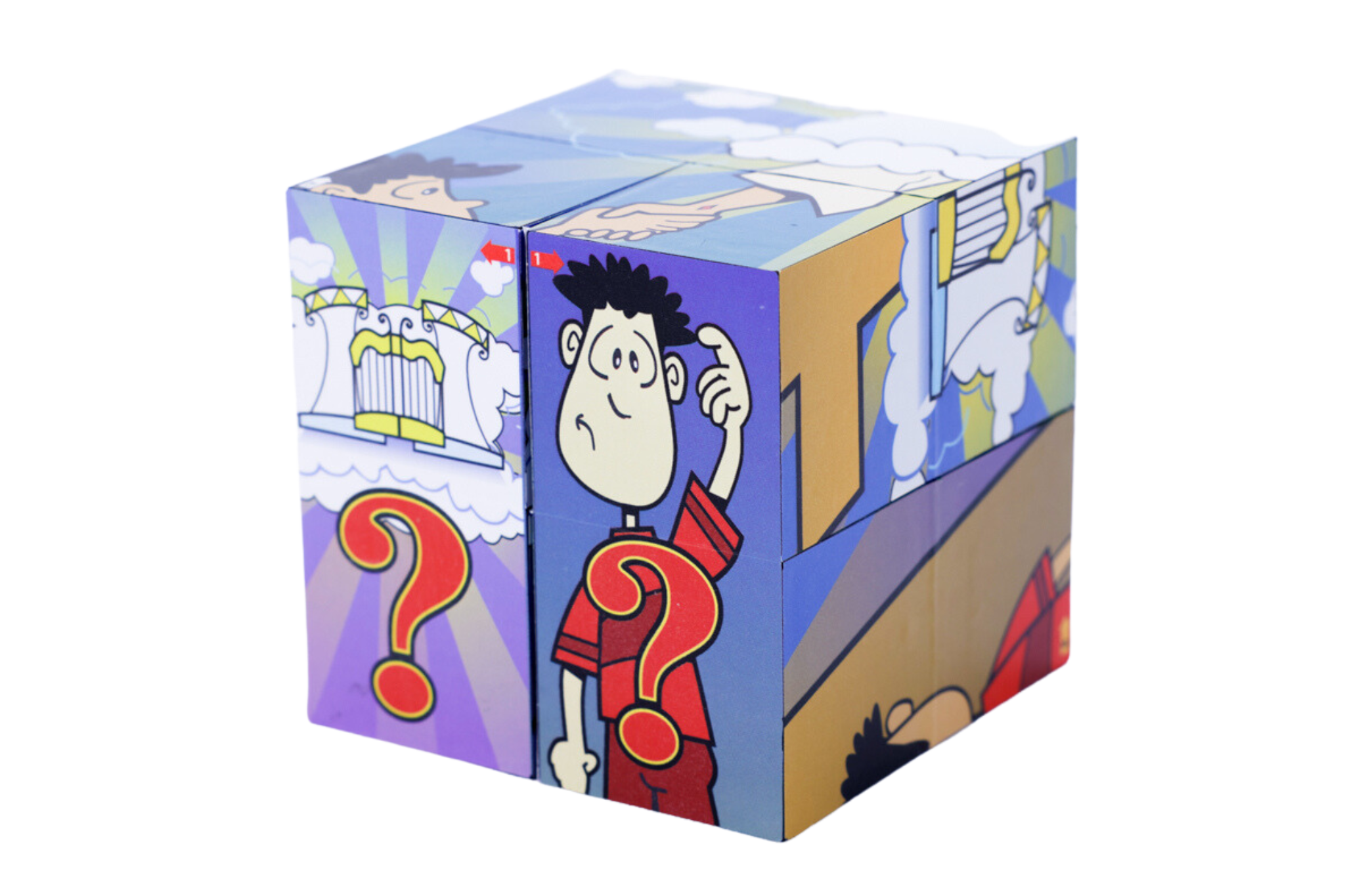
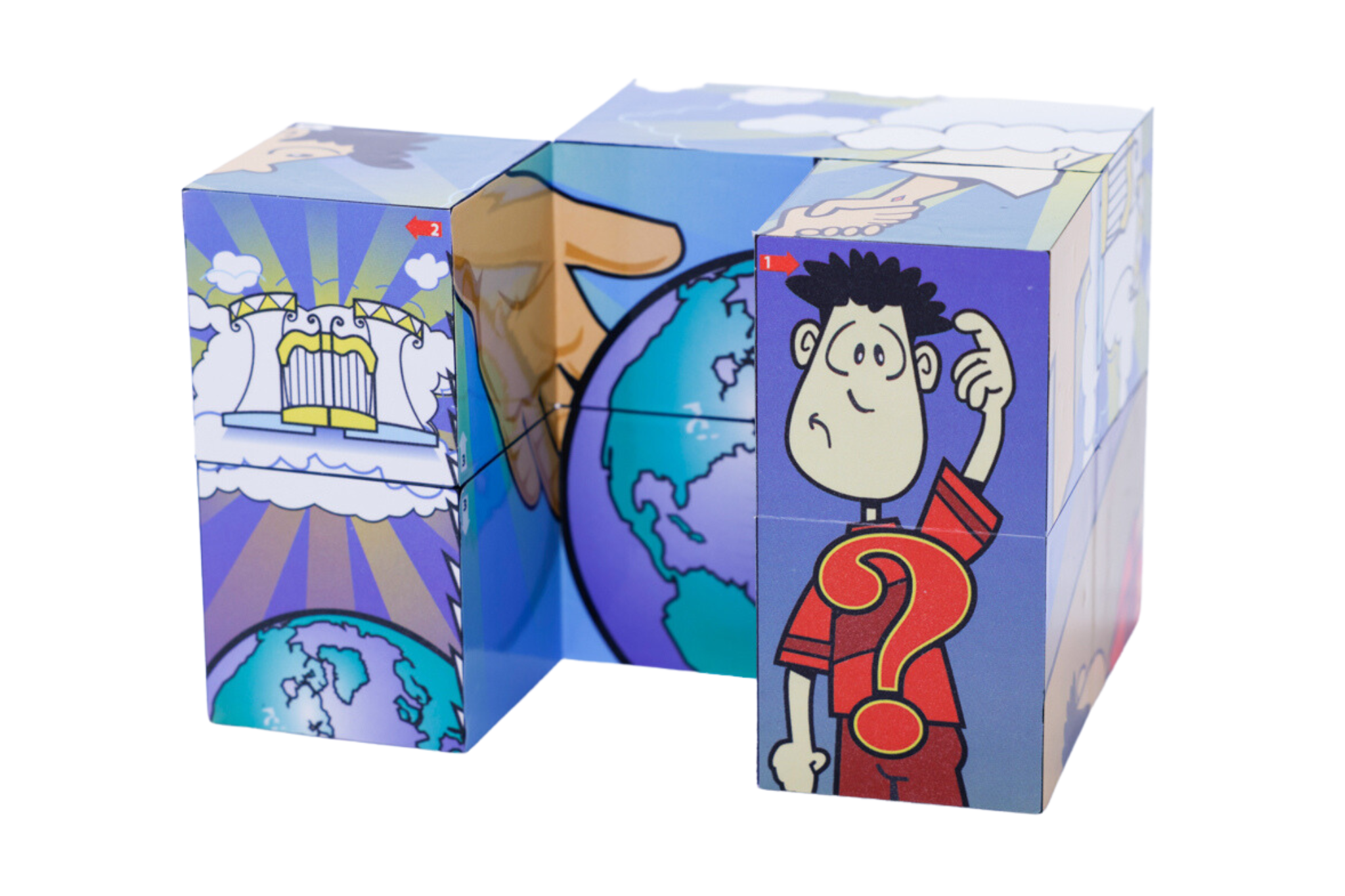
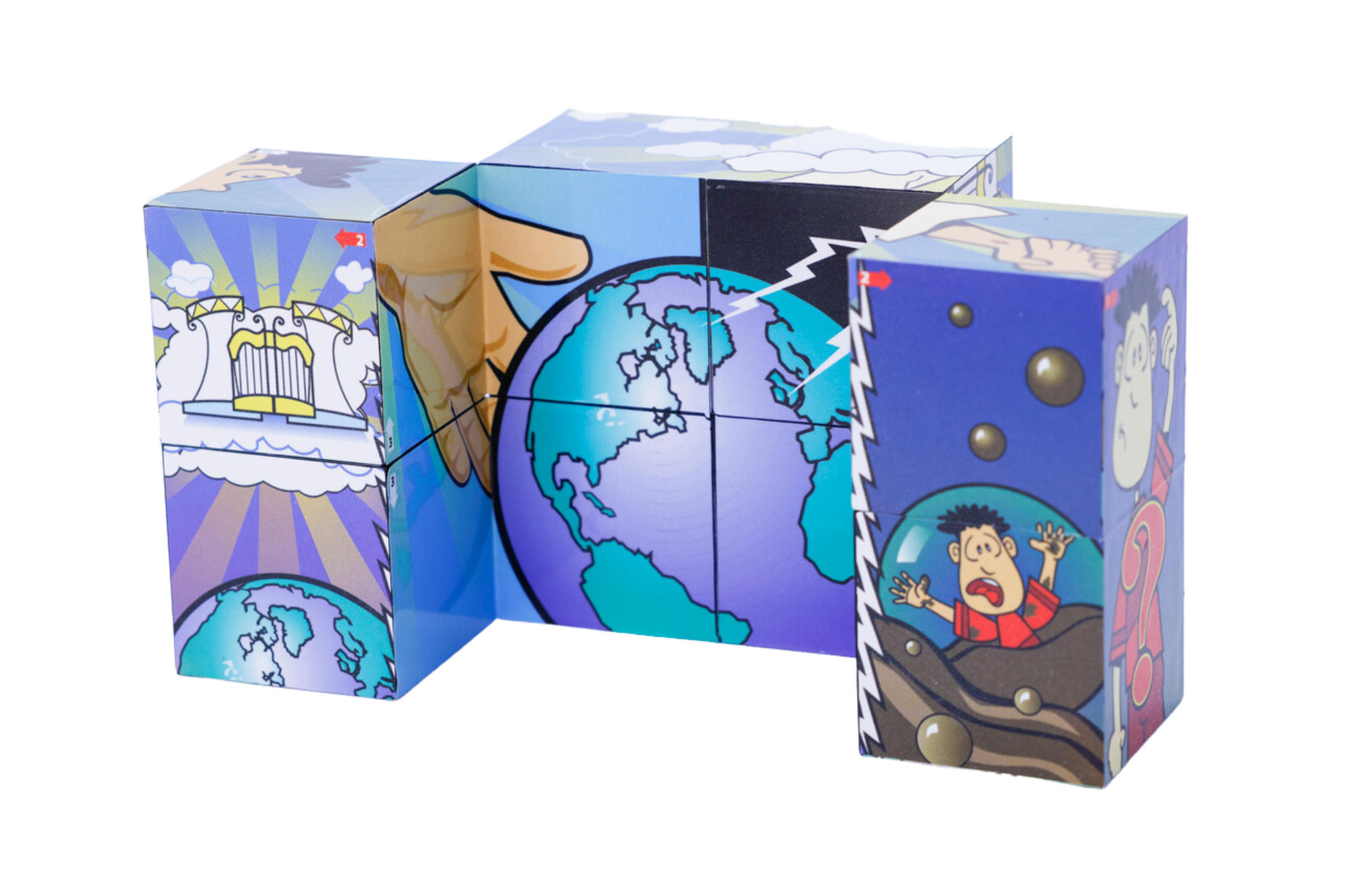
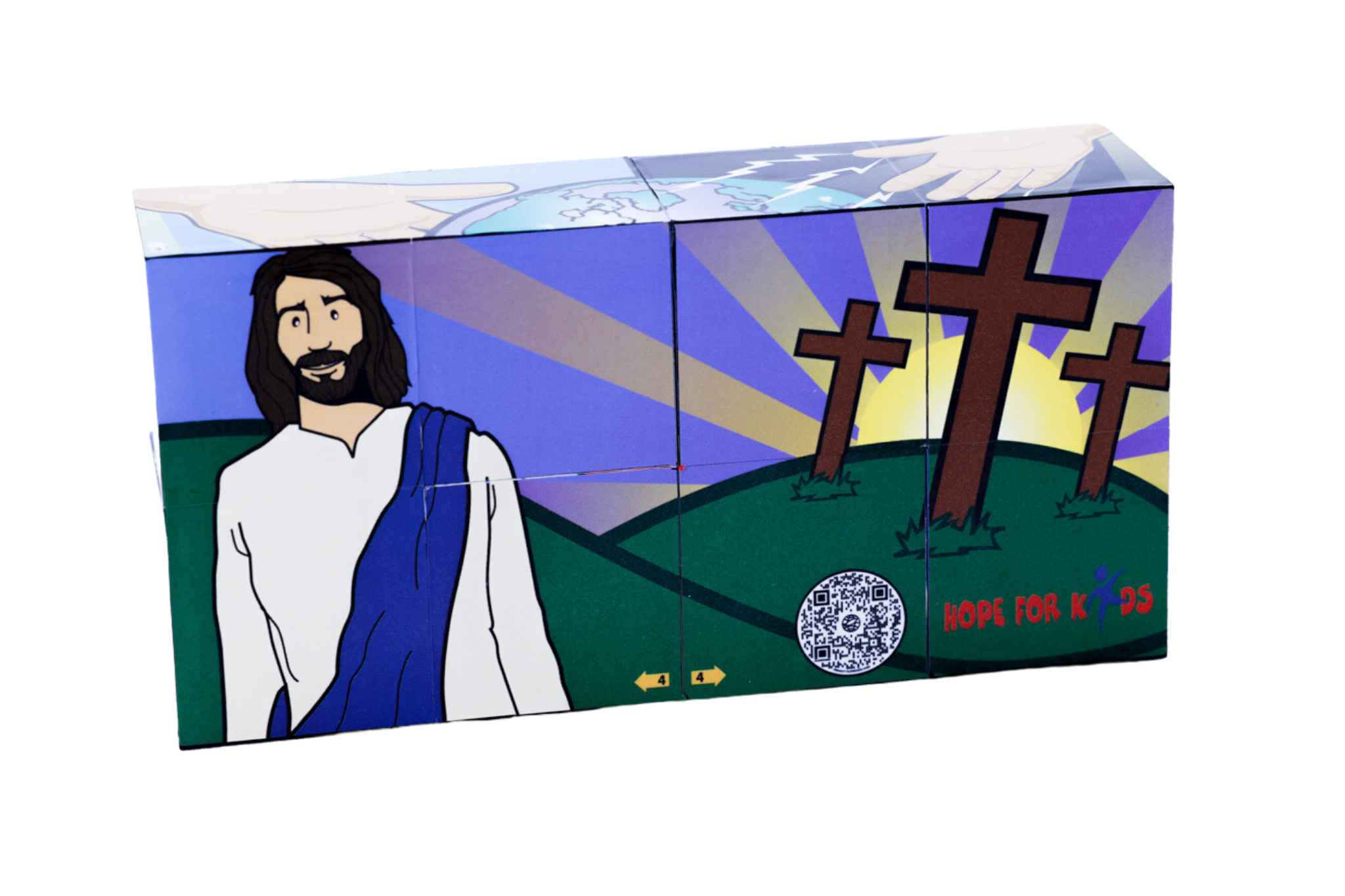
Kids' EE Gospel Presentation includes a basic outline, sub-points,
scripture verses, illustrations and transitional sentences. The
wording is in keeping with the simpler style of the Kids' EE Gospel
Presentation. In nations overseas, this presentation is being culturally
adapted to most effectively train children in the nations that
have begun training children to share the Gospel.
Providing
the children with practice in sharing the Gospel is referred
to as "On-the-Job Training." The goal is to encourage
children to make sharing the Gospel with others a way of life.
OJT gives them the experiences that help to develop skills in sharing
the Good News with others so that children look for opportunities
to do so.
OJT
with children must be safe, structured, supervised. It must
also provide the children with successful experiences. In line
with recommended child protection policies, it is recommended
that teams consist of two adults and two or three children.
Before going out, the leaders are given clear and specific
guidelines for each On-the-Job Training session, including
the destination, directions and required time for return.
There are many contexts where children can share the Gospel
during OJT, such as church visitor follow-up visits, visits
to nursing homes and retirement facilities, and special church
activities for children. But before the children are asked
to do so, they see their team leaders model sharing the Gospel
with others. The phrase "Evangelism is better caught than taught" is
as true for kids as it is for adults. As they see their team leaders model
sharing the Gospel Presentation, the children's own confidence and excitement
to share with others grows. Before going out for their first OJT, the children
engage in practice and role-play sessions in their Kids' EE classroom.
There are a number of ways On-the-Job Training can be structured:
In
Kids' EE, we refer to the adults or youth who are working with
the children as team leaders, rather then "trainers." This
is a significant difference between Kids' EE and Adult and Youth
EE. In Kids' EE we are not training trainers to train others
to be witnesses. Kids' EE seeks to lay a foundation for spiritual
maturity in children's lives and develop habits of Christian
discipleship by deepening their understanding of the truths of
the Gospel, the meaning of personal faith in Christ, and the
responsibility we all have to be witnesses for Him.
Nevertheless, the model of one trainer for two trainees used in Adult and Youth
EE provides a strong relational and mentoring type of ministry. In Kids' EE
this is an essential component and one team leader for two children is ideal.
The relationships built between the team leaders and the children and the experiences
that the children have with their team leaders will be enduring.
Developing
habits of praying for the lost and those with whom they want to
share the Gospel is an integral part of the Kids' EE training each
week. In addition, children are encouraged to pray with their parents.
This provides a powerful support for the ministry. Team leaders
are also encouraged to have their own prayer partners who will
pray with them for their teams and for those who are being reached
during OJT times.
Some
children at this age depend on their parents for their motivation
to start and continue attending Kids' EE. Other children already
have a great desire to receive training in sharing the Gospel.
A model ministry will have team leaders and parents willing to
nurture in children in their commitment to attend Kids' EE. Parents
become an extension of the teacher and the team leaders, giving
extra encouragement and support in learning the Gospel presentation.
Unlike
adults and teens, elementary and middle school children do not "teach
themselves" while doing assigned homework. Homework at this
age is simply practice in what has been taught in class. The
success of homework assignments is often dependent on the time
parents can give to following-up with their children. Kids' EE
does not rely on assignments outside of class for the children
to learn and master the EE presentation. Class time is used to
provide necessary practice and repetition. Children are encouraged
to share each week what they have learned during their Kids'
EE session. Time for children to talk about their experiences
in sharing with others is included in each class session.
Kids'
EE methods of teaching do not rely on lecture. Teaching activities
during large group instructional time are kept short and move along
quickly. Kids are involved in physical activities, such as marching
cadences and the practice of the hand motions, which are learned
along with the Gospel presentation. Learning is hands-on and key
concepts are reinforced through the crafts and the skits. These
supplement and add to the understanding children gain from the
verbal presentation of material.